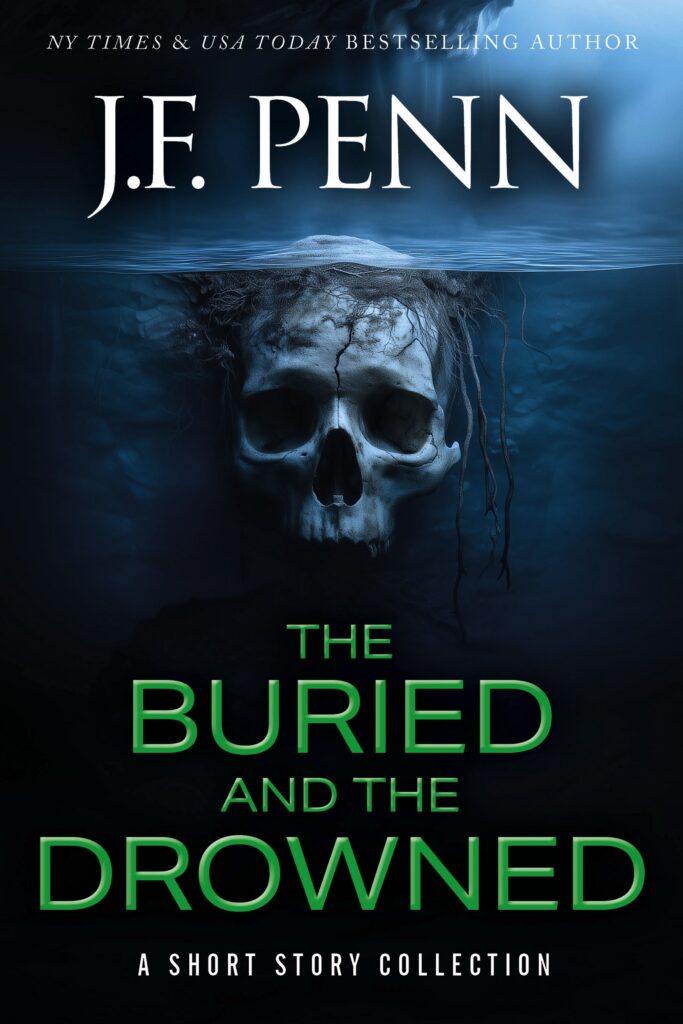
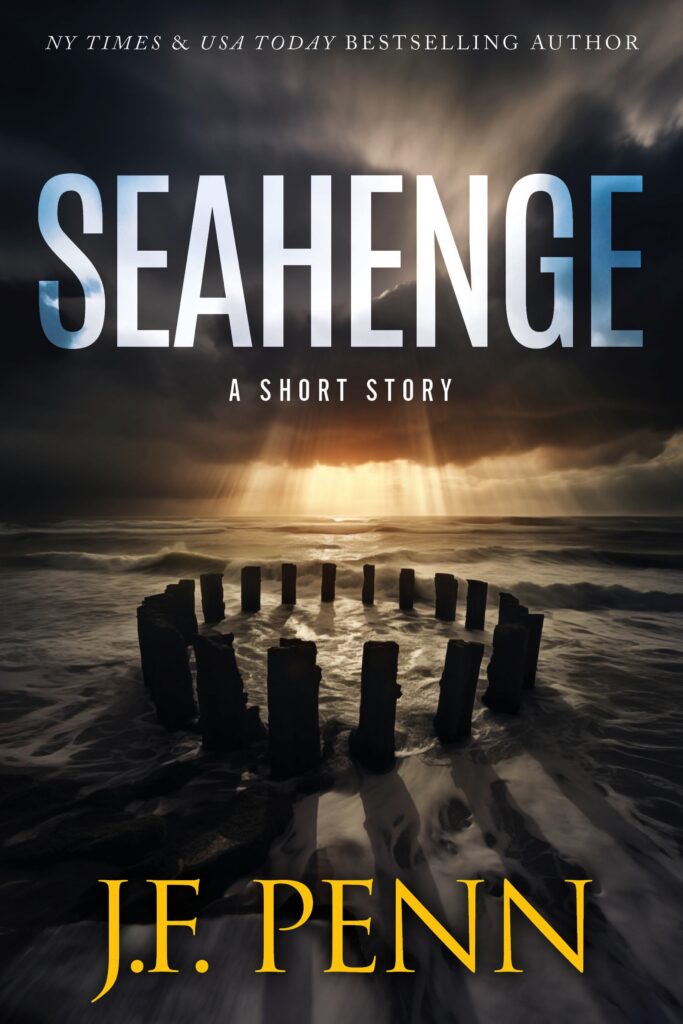
A violent storm tears open a Norfolk beach and exposes a perfect circle of ancient oak posts around a massive inverted stump. Cradled in its roots lies a body that should not exist.
As Dr Evelyn Price races the returning storm to lift the remains, her colleague's AI begins to translate the symbols carved into the timbers, and what they spell is not a burial.
It is a warning.
What has been drowned will be drowned again.
Available in ebook and audiobook. Buying direct supports the author most, and ships worldwide.
The research behind the book
Seahenge (Holme I), Norfolk
A genuine Early Bronze Age timber circle from around 2049 BC, discovered in 1998 at Holme-next-the-Sea. The real timbers now stand in Lynn Museum, King's Lynn.
Sky burial and the upturned tree
One theory holds the central inverted stump was a platform for excarnation, the body left for the elements, echoed in Tibetan sky burial and the Towers of Silence.
The Fens and the flood to come
The flat lands around Ely were drained from the sea over centuries. Climate projection maps show much of Norfolk under water again, the premise the story takes literally.
Learn more →Bog bodies and Lindow Man
Peat's oxygen-starved chemistry can hold skin and sinew for thousands of years, which is how a body like the story's could survive.
AI in archaeology
Machine learning already detects buried sites in satellite scans and helps decode ancient texts.
Audiobook available direct from the author and on Audible, Apple, Kobo, Spotify and more.